Beirut used to be called the Paris of the Middle East with a majority Christian population. Now, it's a bombed out hulk, thanks mostly due to scumbag Islamists (who ruin everything)
Beirut: From Paris of the Middle East to Tragic Capital
From The Times Now Authored by: Namya Sinha Updated Apr 1, 2026, 14:55 IST:
Beirut, once the Paris of the Middle East, flourished with art, fashion, and nightlife, only to be repeatedly battered by continuous conflict, most recently Israel’s armed clashes with Muslim Hezbollah. The ongoing violence is devastating a city that has long struggled to survive and reclaim its lost glory. (Thanks Iran.)
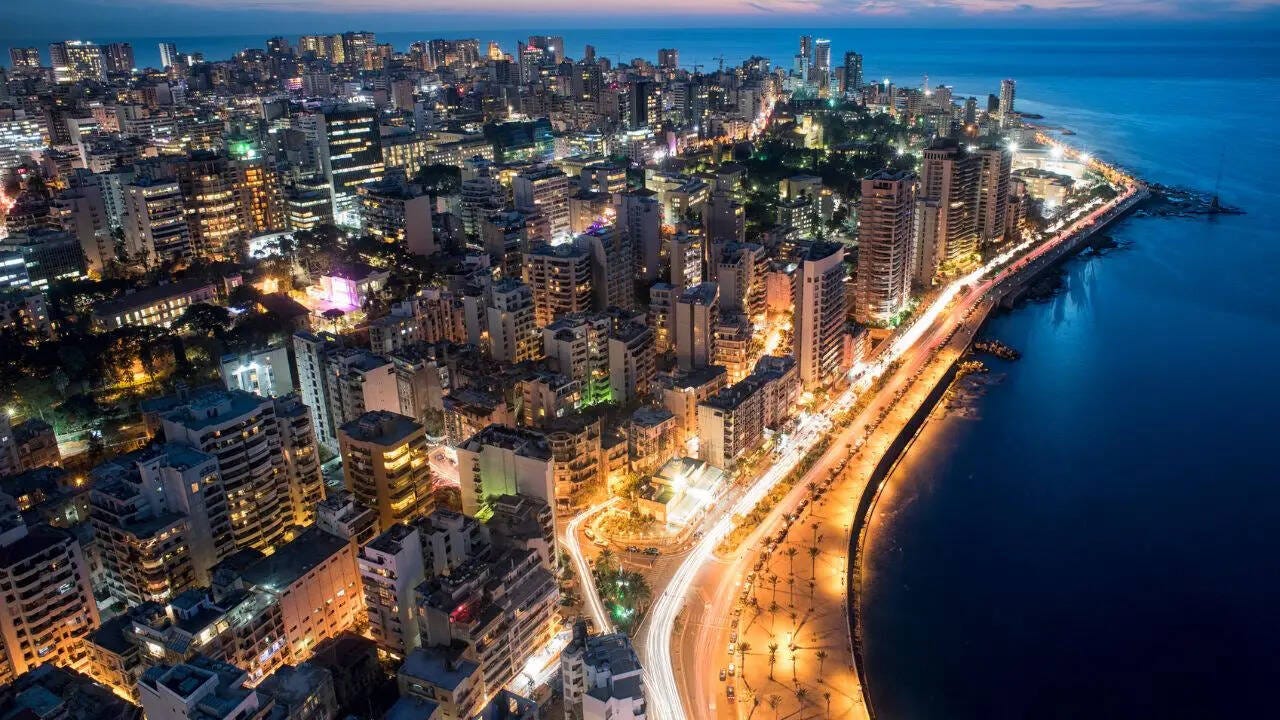
Lebanon has again become a war zone. Israel struck Lebanon’s capital, Beirut, claiming to have targeted a “senior Hezbollah commanders” and another member of the group. Earlier in March, Lebanon had been pounded by Israel after the Iran-backed proxy group Hezbollah fired rockets, following a US-Israel strike on Iran. The conflict has caused massive destruction and displaced millions of people.
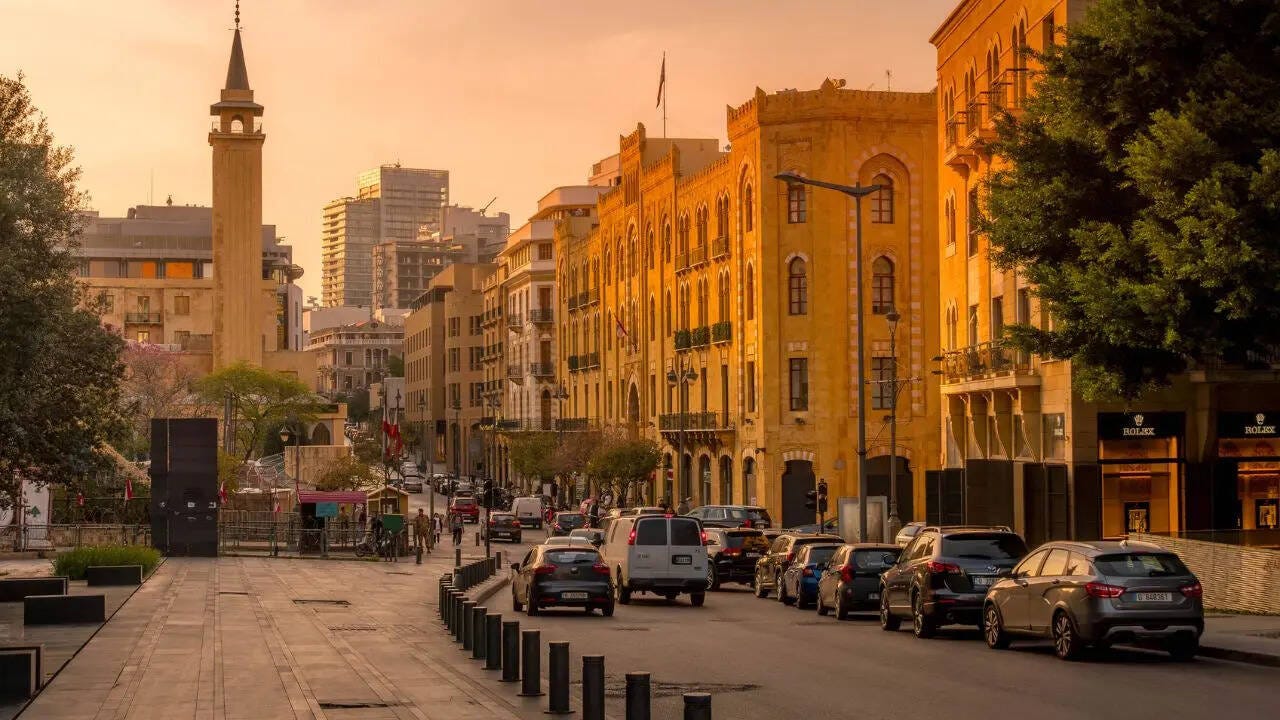
Amidst this, cities long celebrated for their cultural heritage have been dealt a devastating blow. Beirut, the Lebanese capital, was once called the “Paris of the Middle East.” It is now in the throes of devastation and is being referred to as the “Tragic Capital”.
[Doug here: It’s been in consistent decline for decades now; thanks to the accommodation of Muslims in government and the resulting persecution and attacks of Christians by Muslims leading to their mass exodus from the country. 100’s of thousands of Lebanese Christians fled to escape their new hell-hole.
In plain English, this is yet another historic example of Islamic conquest. And the results of this Islamic conquest is the same for ALL the other Islamic conquests: devastation, death and misery inflicted by this ‘death cult.’]
Beirut is one of the oldest continuously inhabited cities in the world. Perhaps there are few cities that have been destroyed and rebuilt as often as Beirut. The war has taken its toll on the metropolis, located on the coast of the Mediterranean Sea, destroying much of its heritage and architecture.
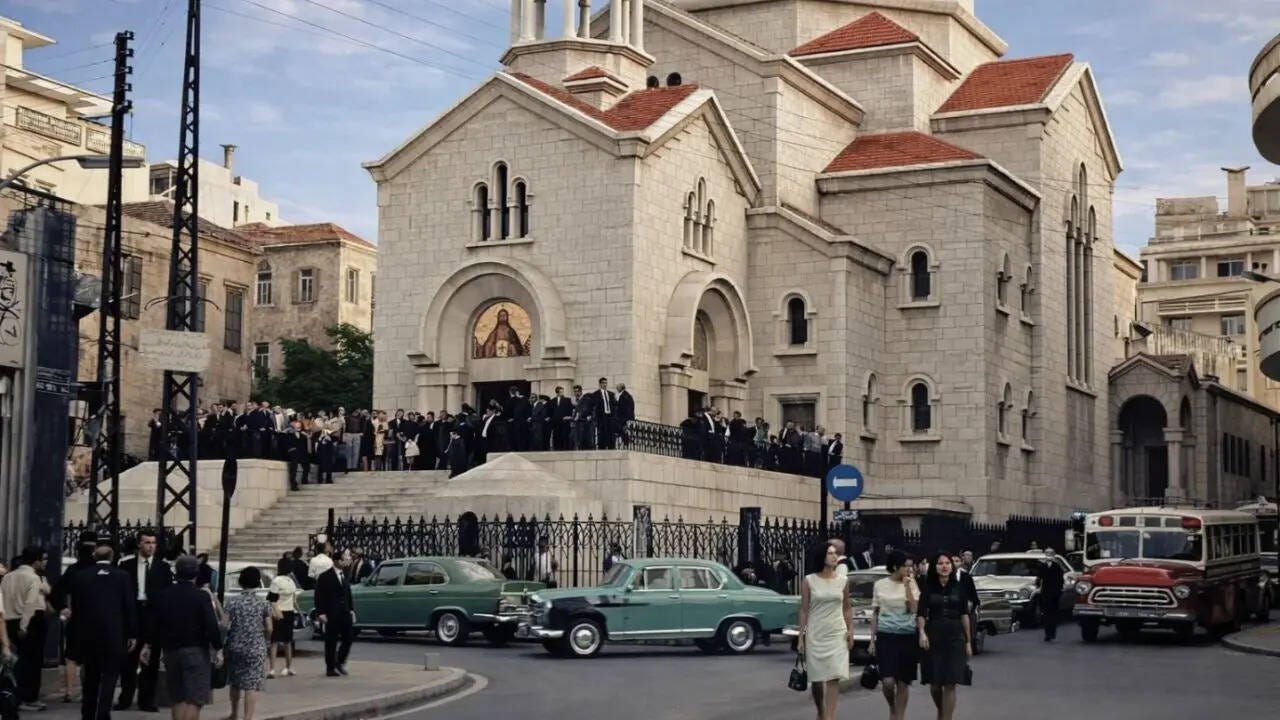
Between 1955 and 1975, Beirut witnessed its golden age. It was a cosmopolitan city known for its vibrant culture, French architecture, Lebanese cuisine, fashion, art, and lifestyle. “Hamra Street was likened to the Champs-Élysées of Beirut, lined with fashion stores, theatres, restaurants, cafes, and hotels visited by artists, poets, writers, and intellectuals. There were more than a dozen cinemas on Hamra Street alone, including the famous Eldorado, the Piccadilly, and the Versailles, cementing Beirut’s title as the cinema capital of the region,” wrote Georgina Noack for The Nightly.
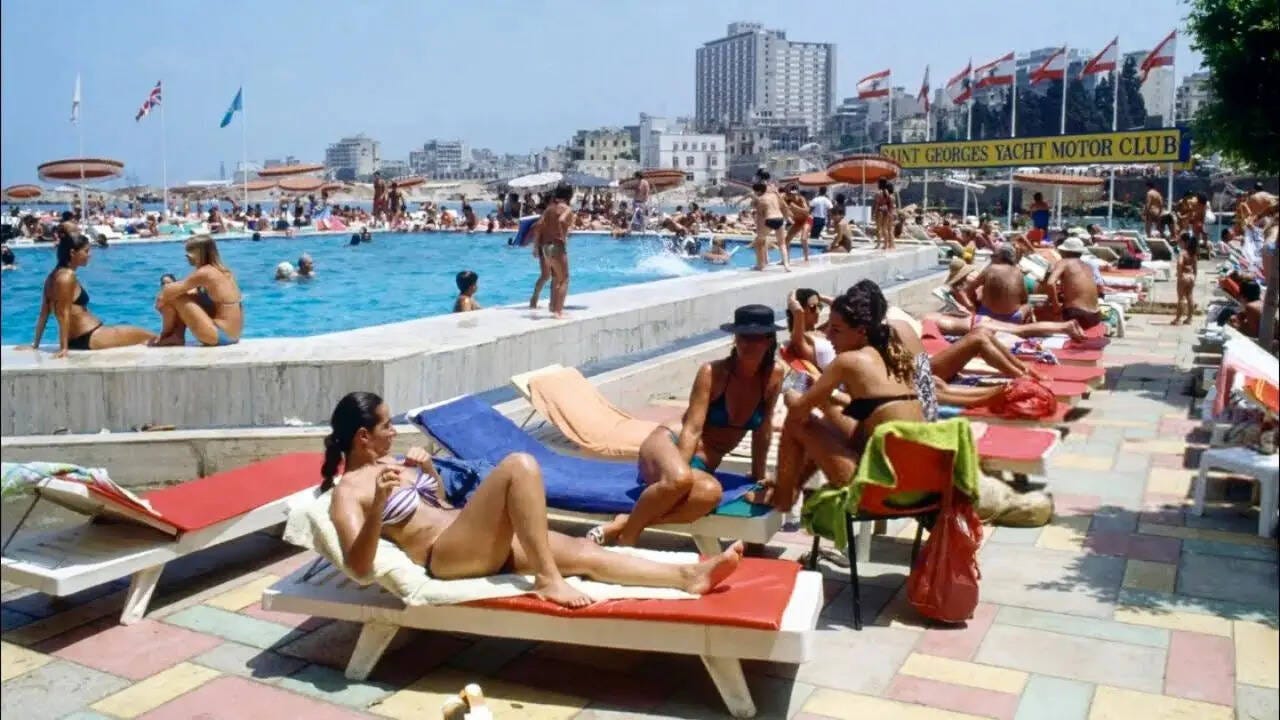
During its golden age, Beirut became a thriving fashion capital of the Middle East. Designers and tailors from the city gained international acclaim, as they brought together traditional Lebanese embroidery with European haute couture. They were coveted by celebrities. Hamra Street and surrounding districts were lined with chic boutiques, fashion houses, and ateliers where locals and visitors alike came to see the latest trends. It was during the civil war, that Elie Saab founded his eponymous label in 1982, specialising in wedding wear. Zuhair Murad opened his first atelier in Beirut in 1995. His designs are a tribute to the Lebanese capital, that often reflect a hint of ancient and modern at the same time. Beirut’s reputation for style and elegance became as much a part of its identity as its cafés, cinemas, and art galleries.
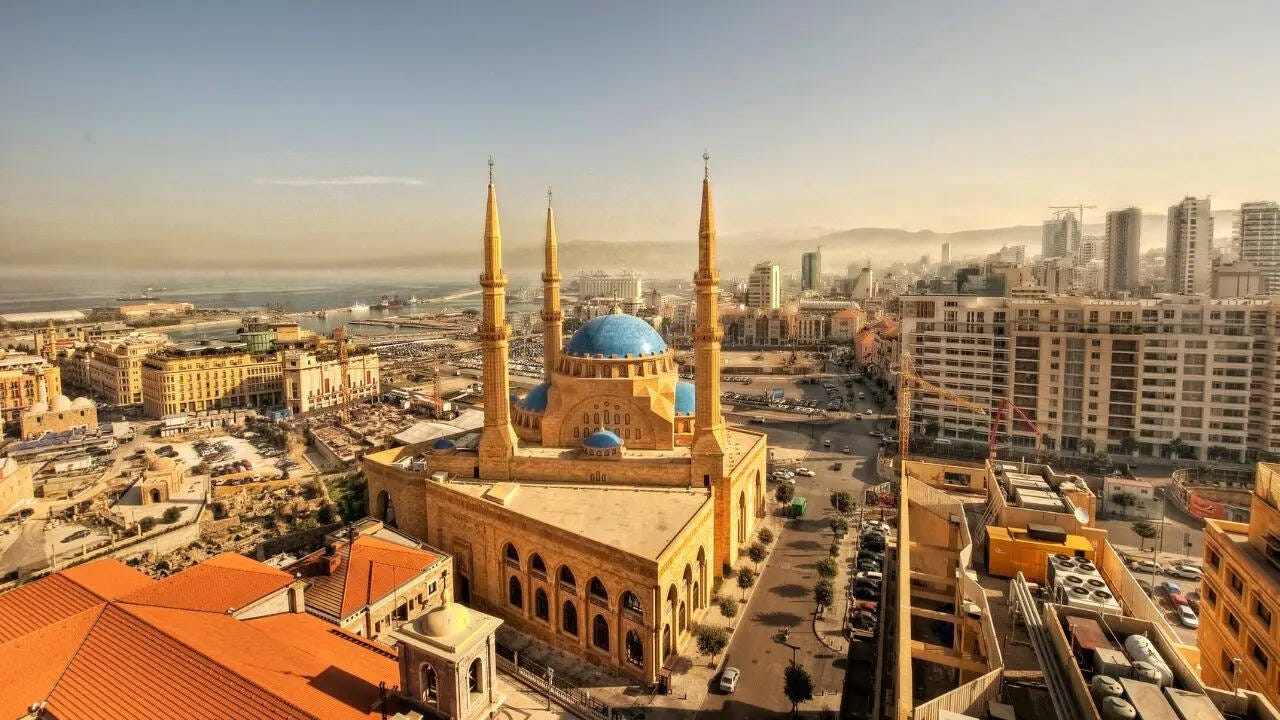
But the 15-year civil war from 1975 to 1990 was a brutal period for the city, from which it has never fully recovered [Doug here: a sectarian war between Christians and Muslims].
Beirut has also been home to the historic Saint-Georges Hotel, a symbol of resistance. Founded in 1932 in Saint George Bay, Ain Mreisseh, it was a destination for the rich and famous, including Elizabeth Taylor, Richard Burton, and Mohammad Reza Pahlavi, the Shah of Iran. The hotel was severely damaged during the Lebanese Civil War’s “War of the Hotels” and was later occupied by militias and Syrian troops. In 2005, the Hariri assassination blast inflicted further wounds on the city.
In 2020, the Beirut port explosion killed more than 200 people and left thousands injured and homeless. According to UNESCO, “The two port explosions damaged some 640 heritage buildings, 60 of which were critically deteriorated.” These included the Boustany House, built in 1880, and the Tobbagi House, built in 1908, both located on Mar Mikhael Street.
Lebanon’s once-booming nightlife has also taken a heavy toll. Just last year, Israel bombed Lebanon for months, resulting in thousands of deaths. “In the area around Fizz, some of Beirut’s most famous nightclubs were converted into displacement shelters for those fleeing the violence,” wrote Madeline Edwards for Condé Nast Traveller.
Beirut deserves to regain the glory it has long struggled to retain and should not be allowed to die. The world must pause and ask itself whether our cities deserve such destruction, and whether the people who give them life deserve such loss.


No comments:
Post a Comment
Please send me your message or comments. Thanks in advance.